
Sustainability
Better skin. Less unnecessary waste.
At LOVESKIN, sustainability begins with making products thoughtfully — from the ingredients we select and the quantities we produce, to the packaging that carries each formula.
We are a small New Zealand skincare company, so our approach is practical rather than perfect: create effective products people genuinely use, produce them carefully in small batches, reduce unnecessary packaging and make it easier to reuse what already exists.
Designed to refill
Our glass bottles are made to have a longer life.
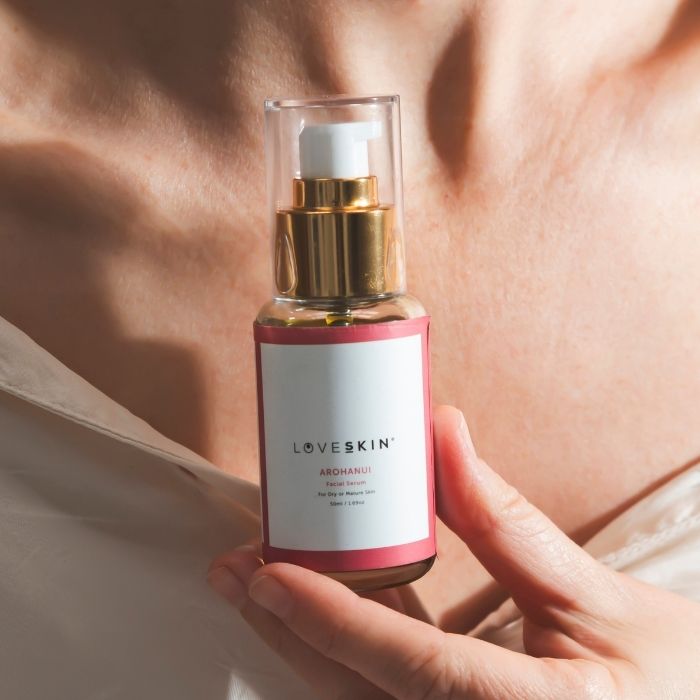
Refill options are available across selected LOVESKIN facial serums, oils, cleansers and mists. Instead of receiving another pump, pipette or mist sprayer with every order, you can retain your existing dispenser and transfer it to your next bottle.
Refills arrive with a simple aluminium cap, helping reduce the number of mixed-material dispensing components entering the waste stream.
First purchase: choose your product with its pump, pipette or mist dispenser.
Next purchase: select the refill option and reuse your existing dispenser.
It is a small change, repeated over time.
Why we use glass
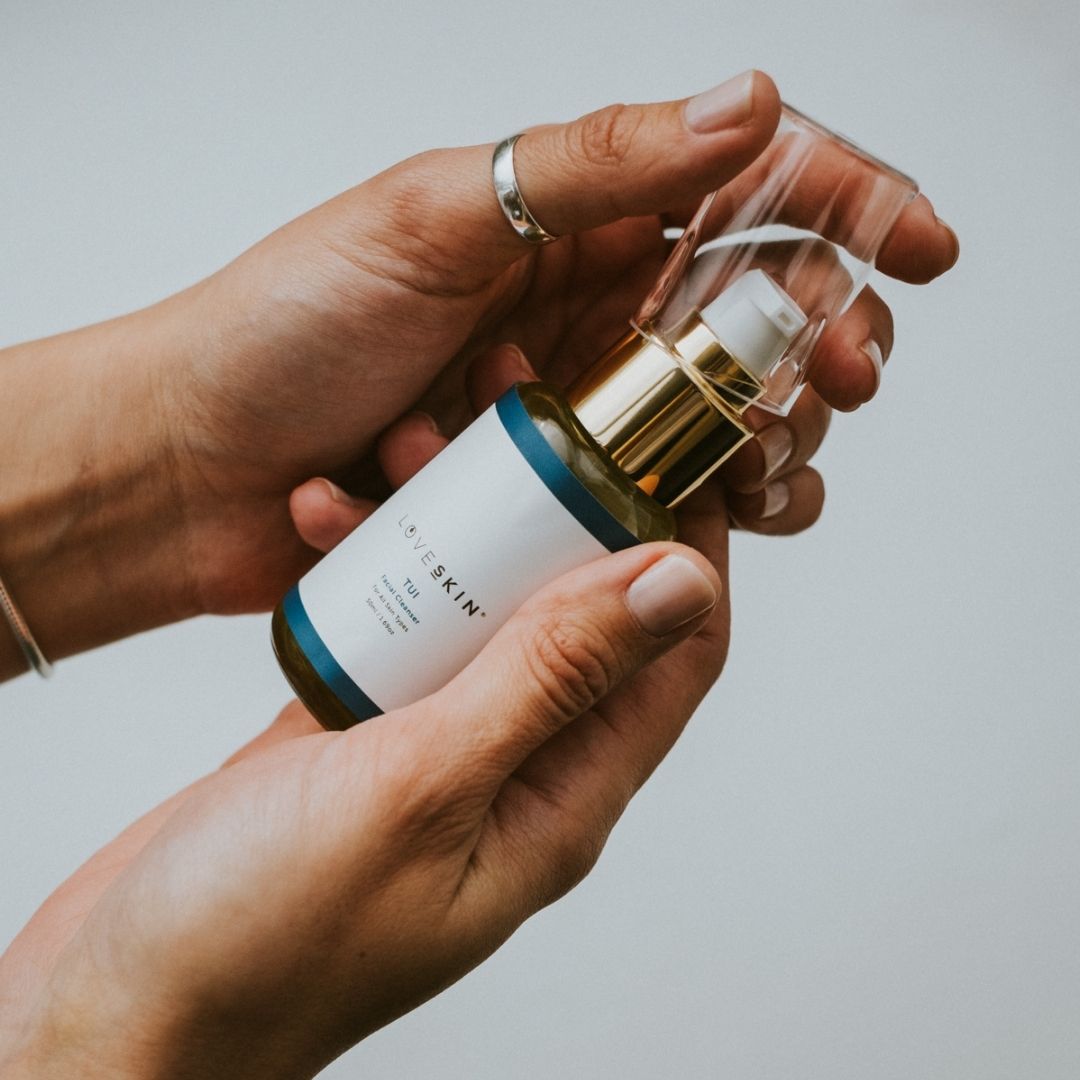
Glass is our primary packaging material because it protects the quality and stability of our formulations while offering a widely recyclable alternative to conventional plastic skincare packaging.
Once your bottle can no longer be reused:
- Rinse away any remaining product.
- Remove the pump, pipette, mist sprayer or closure.
- Place the clean glass bottle in your household recycling where accepted.
- Recycle the aluminium refill cap according to your local council’s guidance.
Dispensers usually contain several different materials and are not commonly accepted through kerbside recycling. Reusing them is currently the most practical way to extend their life.

Made in small batches
LOVESKIN products are formulated and made in small batches in Aotearoa New Zealand.
Producing close to demand allows us to maintain oversight of every formula, preserve product freshness and avoid manufacturing unnecessarily large volumes of finished stock.
It also allows us to keep learning and improving — refining our formulations, packaging and processes as more effective and responsible options become available.
Ingredients chosen with intent
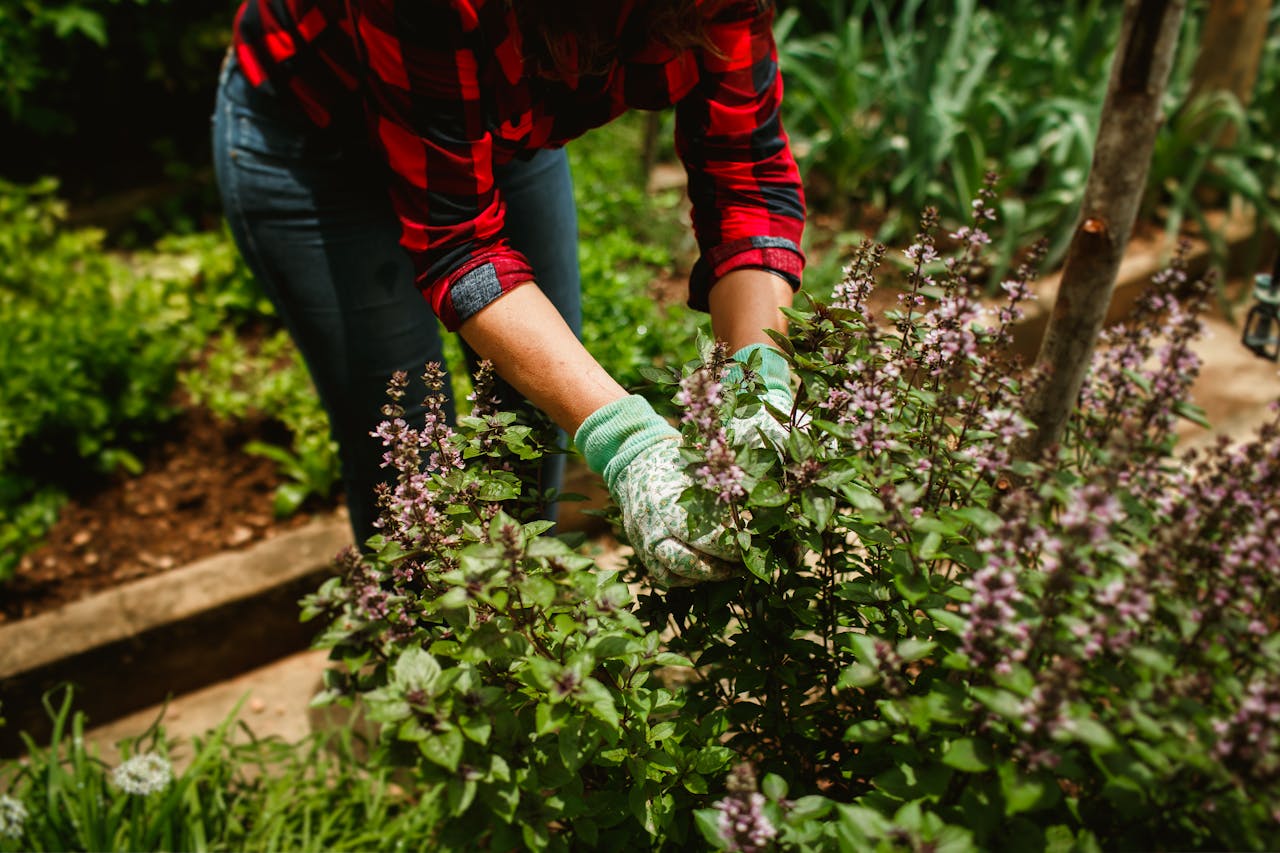
Every ingredient must earn its place in a LOVESKIN formula.
We select ingredients according to their skin benefits, quality, formulation performance and origin. Where possible, we use organic, fair-trade and responsibly sourced materials, including botanicals and oils grown or produced here in Aotearoa.
We also prepare selected botanical extracts and infused oils ourselves, giving us greater control over their quality and allowing us to work more closely with the natural materials at the heart of our products.
Natural does not automatically mean sustainable, however. We assess ingredients individually rather than relying on broad claims, and we continue to review our suppliers and raw materials as better information and alternatives become available.
Formulas made to be finished
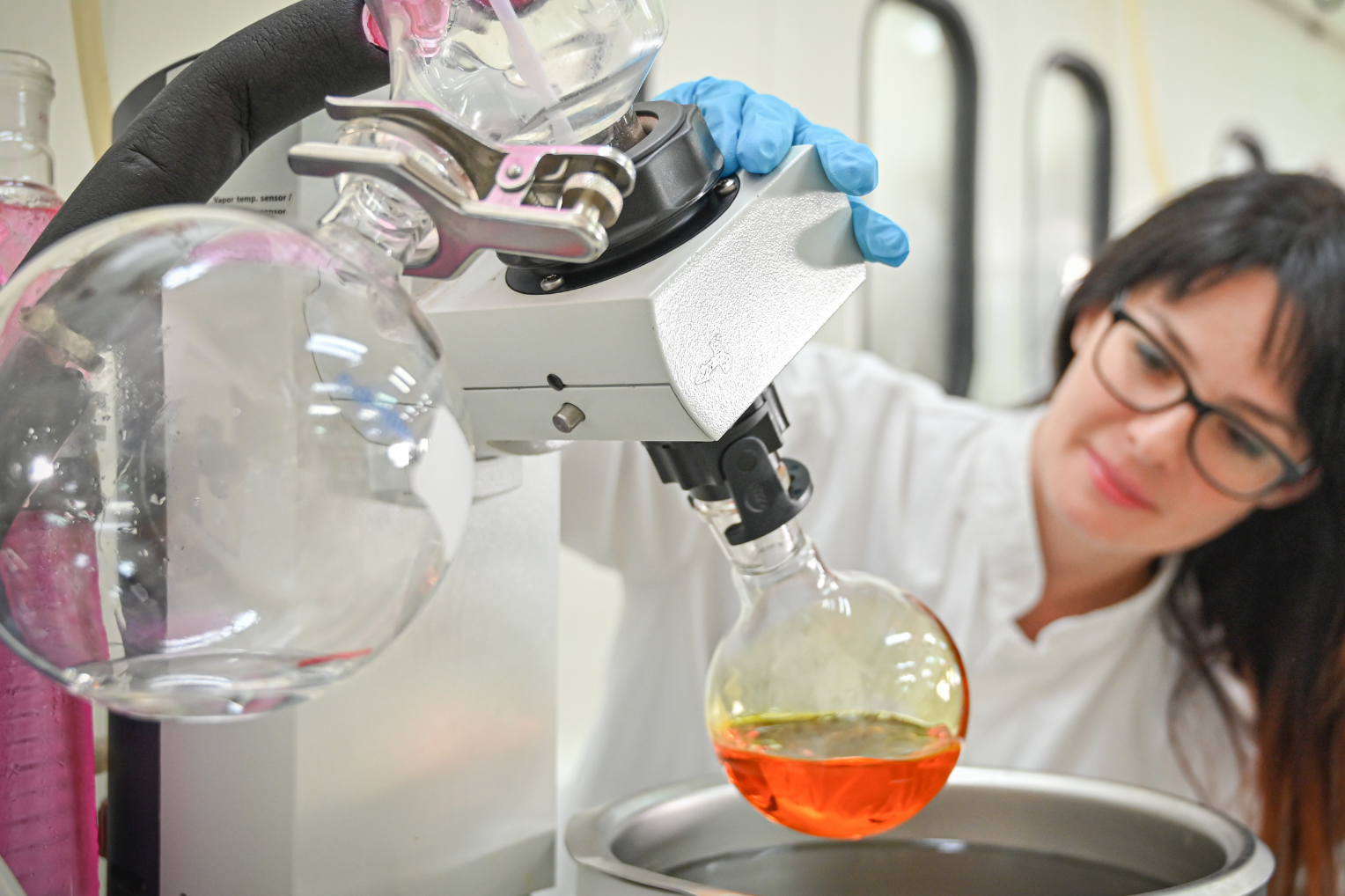
The environmental impact of skincare is not only determined by its packaging. Product that is unused, unsuitable or unnecessarily complicated is also waste.
Our formulations are designed to be concentrated, versatile and easy to integrate into a consistent routine. We focus on meaningful ingredients and effective levels rather than adding materials simply to lengthen an ingredient list.
By creating products that support the skin barrier and adapt to changing skin needs, our aim is to help customers buy more deliberately, use products fully and get more value from every bottle.
Progress with purpose
We know there is more to do.
Some skincare components remain difficult to recycle. Responsible sourcing is complex. Packaging solutions continue to evolve, and not every new material represents a genuine environmental improvement.
Our commitment is to keep making measurable, practical changes: expanding our refill range, reducing unnecessary components, sourcing thoughtfully, producing carefully and being transparent about both our progress and our limitations.